

Trial Lawyers Relentlessly Pursuing Justice


Los Angeles 5260 Attorney
Facing a 5260 hold, or supporting a loved one through one, is one of the most stressful experiences a family can encounter. California’s involuntary mental health system moves quickly, and the stakes involve personal liberty, medical decision-making, and long-term consequences.
Lessem, Newstat & Tooson, LLP brings deep experience in mental health law, involuntary holds under the Lanterman-Petris-Short (LPS) Act, and the intersection of psychiatric treatment with criminal cases. Our attorneys understand both the clinical realities of acute suicidal risk and the strict legal limits the law places on detention.
We focus on protecting due process, ensuring the least restrictive appropriate care, and helping clients and families regain control of the situation as quickly and safely as possible.
What Is a 5260 Hold?
A 5260 hold is an additional period of involuntary intensive psychiatric treatment authorized under California Welfare and Institutions Code section 5260. It follows a 14-day certification under section 5250 and allows confinement for a further period not to exceed 14 days.
This hold is narrowly limited. It applies only when a person, as a result of a mental disorder or impairment by chronic alcoholism, continues to present an imminent threat of taking their own life after the initial 14-day intensive treatment period. It is not available for danger to others or grave disability alone. The statute exists to address ongoing, acute suicide risk that has not resolved during the preceding hold.
What Criteria Must Be Met?
All of the following conditions must be satisfied before a facility may impose a 5260 hold:
- Professional staff of the treating facility have analyzed the person’s condition and determined that the person presents an imminent threat of taking their own life.
- The person has been advised of the need for treatment but has not accepted voluntary treatment.
- The facility providing the additional intensive treatment is equipped and staffed to provide that treatment, is designated by the county for intensive treatment, and agrees to admit the person.
- The person, as a result of a mental disorder or impairment by chronic alcoholism, either threatened or attempted to take their own life during the prior 14-day intensive treatment period or the initial 72-hour evaluation period, or was originally detained because of such a threat or attempt.
If any one of these elements is missing, the certification is not legally supportable.
What Is the Certification Process?
Before the additional 14 days can begin, the facility must complete a second notice of certification. That notice must be signed by two qualified professionals: the professional person in charge of the facility that provided the prior intensive treatment, and a physician (preferably a board-qualified psychiatrist) or a licensed psychologist who holds a doctoral degree and has at least five years of postgraduate experience in diagnosing and treating mental disorders.
The physician or psychologist who signs must have participated in the evaluation that found the ongoing imminent suicidal threat.
The person must receive a copy of the notice. The notice must clearly advise the person of the continuing legal right to judicial review by writ of habeas corpus, and that right must be explained. Copies are also provided to the person’s attorney (if any), the district attorney, and other required parties.
Unlike a 5250 certification, a 5260 hold does not automatically trigger a certification review hearing. The primary procedural safeguard is the right to seek judicial review.
Protecting Patient and Family Rights During a 5260 Hold
Patients on a 5260 hold retain important civil rights under the LPS Act (primarily Welfare and Institutions Code section 5325 and related provisions).
These include the right to:
- Wear their own clothing and keep personal possessions and toilet articles.
- Spend a reasonable amount of their own money.
- Receive daily visitors.
- Make and receive confidential telephone calls.
- Send and receive unopened mail.
- See a patients’ rights advocate.
- Refuse electroconvulsive treatment and psychosurgery.
- Refuse antipsychotic medication in non-emergency situations unless a court finds, after a capacity hearing (often called a Riese hearing), that the person lacks the capacity to give or withhold informed consent.
Family members and other concerned persons can play a meaningful role. They may request that the facility process a writ of habeas corpus on the patient’s behalf, provide relevant history and context to treating clinicians and counsel, and help identify less restrictive alternatives such as voluntary treatment, outpatient programs, or family support plans.
While the facility controls clinical decisions and the legal process centers on the patient, informed family advocacy, especially when coordinated with experienced counsel, often improves outcomes.
How to Challenge or End a 5260 Hold
The most direct legal challenge is a petition for a writ of habeas corpus filed in superior court. The patient (or any person acting on the patient’s behalf) may request release at any time by notifying facility staff. Staff is required to process the request promptly and notify the court; intentional failure to do so is a misdemeanor. A habeas hearing is a formal judicial proceeding in which the facility must justify continued detention.
Additional avenues include:
- Demonstrating that the statutory criteria are no longer met (for example, the imminent threat has resolved or the person is now willing to accept voluntary treatment).
- Seeking early release by the treating psychiatrist when clinical improvement allows.
- Challenging procedural defects in the certification itself (inadequate signatures, failure to offer voluntary treatment, improper facility designation, or insufficient documentation of the required prior suicidal behavior).
Time is critical. Early involvement of counsel allows evidence to be preserved, witnesses identified, and arguments framed while the hold is still active.
What Happens After the 5260 Period Ends?
At the end of the additional 14-day period (or earlier if criteria are no longer met), several outcomes are possible:
- Release from involuntary detention, with or without a referral to voluntary outpatient services.
- Acceptance of voluntary inpatient or outpatient treatment.
- If the person is found to be gravely disabled and further treatment is needed, the county may pursue a temporary or full LPS conservatorship.
- In limited circumstances involving danger to others, the facility or county may seek a longer post-certification hold under section 5300.
- In rare cases, other civil or criminal processes may be triggered if new facts arise.
The law does not permit indefinite successive 5260 holds. Once the statutory period ends, continued involuntary confinement requires a different legal basis with its own procedural protections.
Long-Term Impact of a 5260 Hold
A 5260 certification becomes part of the individual’s mental health record. While LPS records are confidential and subject to strict privacy protections, the fact of an involuntary hold can affect future clinical assessments, employment background checks in certain regulated fields, firearm ownership rights, and personal and professional reputation. California law imposes a five-year restriction on firearm possession following certain holds involving danger to self, with additional consequences for repeated admissions.
At the same time, appropriate treatment during the hold can stabilize an acute crisis and open the door to longer-term recovery. The legal process exists to balance the need for protection against the profound cost of unnecessary or prolonged loss of liberty. Early, skilled advocacy helps minimize lasting adverse effects while supporting genuine clinical needs.
What Is the Role of a Lawyer in 5260 Cases?
An attorney experienced in LPS proceedings can:
- Immediately review the notice of certification and supporting clinical documentation for legal sufficiency.
- Advise the patient and family of rights and realistic options under tight timelines.
- Prepare and file a writ of habeas corpus and represent the patient at the hearing.
- Gather collateral information (prior treatment history, family observations, alternative care plans) that may undermine the claim of ongoing imminent risk or demonstrate willingness to accept voluntary care.
- Communicate with facility staff and county counsel to explore early release or conversion to voluntary status.
- Protect against improper medication, denial of rights, or escalation to conservatorship when less restrictive alternatives exist.
- Coordinate with patients’ rights advocates and, when appropriate, treating clinicians to keep the focus on both safety and liberty.
Because 5260 holds move rapidly and lack the automatic administrative hearing available in 5250 cases, experienced legal counsel often provides the most effective check on the process.
How Can Lessem, Newstat & Tooson, LLP Help My Case?
Our firm has extensive experience representing individuals and families throughout Southern California in matters involving involuntary psychiatric holds, certification challenges, habeas corpus petitions, mental health diversion, and related civil rights issues. We understand the local facilities, the practices of county counsel and hearing officers, and the clinical realities that drive these cases.
When you contact us, we move quickly to evaluate the certification, protect the patient’s rights, and pursue the least restrictive outcome consistent with safety. Whether the goal is immediate release, conversion to voluntary treatment, prevention of conservatorship, or simply ensuring that every procedural safeguard is honored, we provide focused, compassionate, and aggressive representation.
If you or a loved one is currently under a 5260 hold or facing the possibility of one, time is of the essence. Contact Lessem, Newstat & Tooson, LLP for a confidential consultation. We are available to discuss the specific facts of the case and explain the options available under California law.
Contact Our Firm Today
"*" indicates required fields






Supportive with Clients. Aggressive in Court.
Navigating the legal system can be complicated. To maximize your chance of securing the best outcome possible, it is essential that you reach out to us without delay. When you hire our firm, we will work quickly to gather every detail, examine every piece of evidence, and build a strong case.
We will not hesitate to go toe-to-toe in trial with an insurance company, corporation, prosecutor, or law enforcement officer. Regardless of the type of situation you are involved in, rest assured that we will do everything we can to protect your rights and help you secure the most favorable result possible.
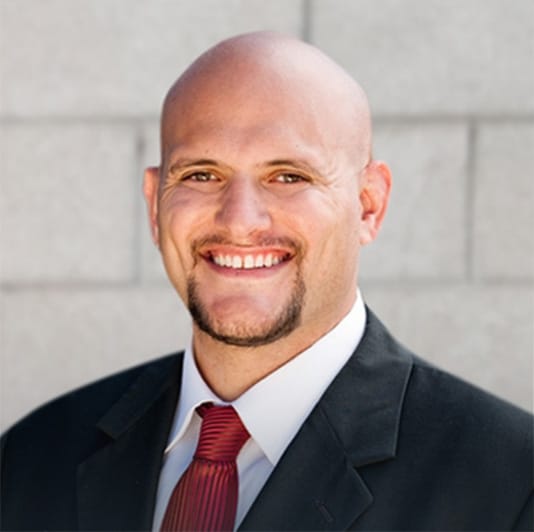
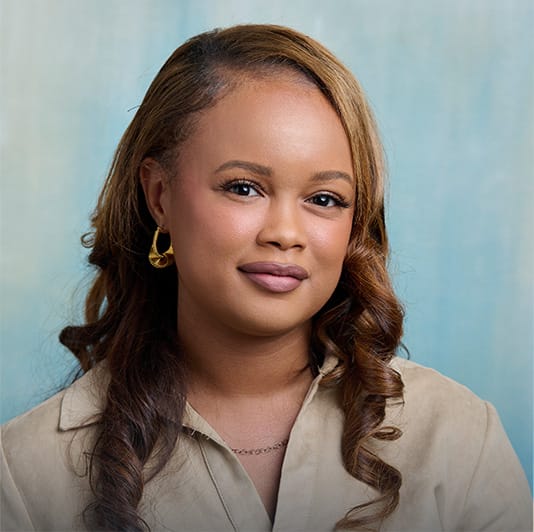
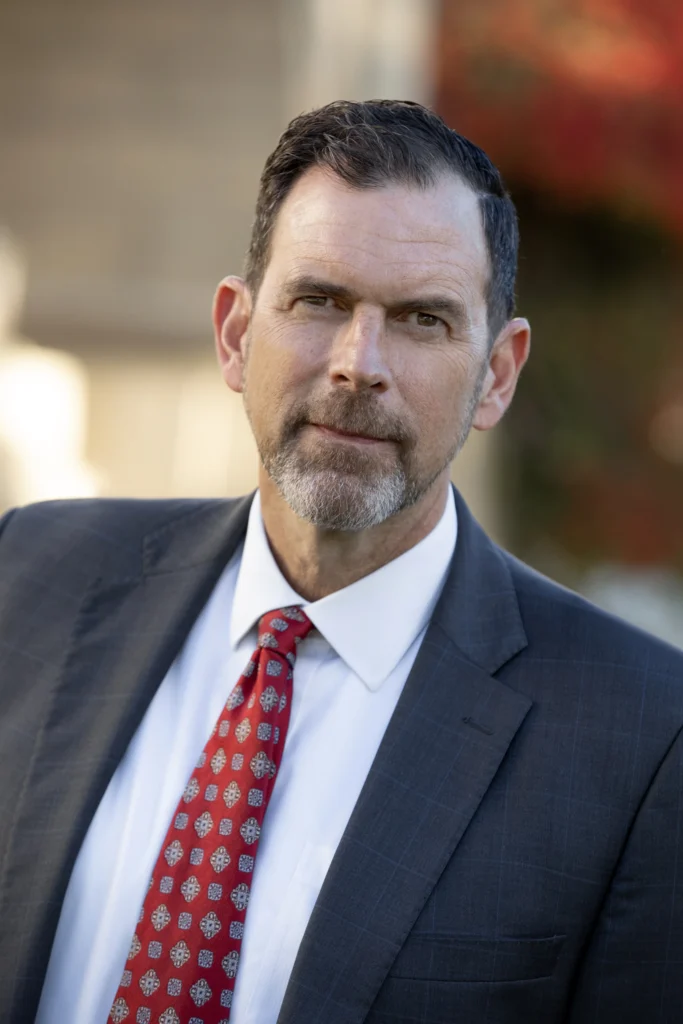
Meet the Lawyers Fighting for You
The Lessem, Newstat & Tooson Team




Our Clients Are Our Focus.
When facing complex legal matters, it is not uncommon to encounter an issue that needs immediate attention from your team.
For this reason, we are available to assist our clients 24 hours a day, seven days a week, to ensure any questions or concerns you may have will be addressed immediately. With around the clock service and multiple office locations, clients throughout Southern California can be confident knowing our counsel is available to them whenever and wherever they need it.
How We Can Help You


Make Your Future
Our Business
"*" indicates required fields