

Trial Lawyers Relentlessly Pursuing Justice


Los Angeles LPS Conservatorship Attorney
When a serious mental health crisis leaves someone unable to meet their most basic needs, California law provides a structured legal pathway known as an LPS conservatorship. These cases involve profound questions of personal liberty, treatment, placement, and family involvement.
At Lessem, Newstat & Tooson, LLP, we bring focused experience in mental health law to help clients and their loved ones navigate this complex system with clarity and advocacy that prioritizes both safety and rights. Our firm has long handled mental health matters that intersect with the justice system, including 5150 and 5250 holds, competency and sanity proceedings, restoration of sanity, mental health diversion, and LPS and Murphy conservatorships.
We work closely with treating professionals, county Public Guardians, and the courts across Southern California. Our approach emphasizes least-restrictive alternatives, protection of the proposed conservatee’s rights, and practical solutions that support recovery and stability for the individual and their family.
If you or a loved one is involved in an LPS conservatorship matter, call (818) 643-3093 for a confidential consultation.
What Is an LPS Conservatorship?
An LPS conservatorship is a court-ordered arrangement under California’s Lanterman-Petris-Short Act (Welfare and Institutions Code sections 5000 and following). A judge appoints a conservator, often the county Public Guardian, and sometimes a suitable family member or private professional, to make decisions about treatment, placement, and, in some cases, finances for an adult who is “gravely disabled.”
“Gravely disabled” means that, as a result of a mental health disorder, a severe substance use disorder, or a co-occurring mental health and severe substance use disorder (or impairment by chronic alcoholism), the person is unable to provide for their basic personal needs for food, clothing, shelter, personal safety, or necessary medical care. LPS conservatorships are distinct from probate conservatorships. They are rooted in the mental health system, authorize involuntary psychiatric treatment (including placement in locked facilities when clinically necessary), carry a beyond-a-reasonable-doubt standard of proof, and are limited in duration; typically lasting up to one year, with the possibility of annual renewal if the criteria continue to be met.
The purpose is individualized treatment, supervision, and placement in the least restrictive setting appropriate, while protecting the conservatee’s remaining rights.
Who Is Eligible for LPS Conservatorships?
Eligibility centers on the legal definition of grave disability, not simply a diagnosis. Courts most commonly see LPS petitions involving serious conditions listed in the Diagnostic and Statistical Manual of Mental Disorders, such as schizophrenia, bipolar disorder, schizoaffective disorder, major depression with significant functional impairment, or obsessive-compulsive disorder when the condition produces grave disability. Severe substance use disorders and chronic alcoholism can also form the basis under current law.
LPS conservatorships are generally not available solely for developmental disabilities, intellectual disabilities, dementia, traumatic brain injury, or other organic conditions unless a qualifying mental health or severe substance use disorder is also present and is the cause of the grave disability. The person must typically be unwilling or unable to accept voluntary treatment, and less-restrictive alternatives must be considered before a conservatorship is recommended.
Importantly, private family members cannot directly file an LPS petition. The process is initiated through designated mental health professionals and the county’s Public Guardian or conservatorship investigator after evaluation, often following an involuntary hold.
How Is an LPS Conservatorship Established?
The process usually begins in a crisis setting. A person may be placed on a 72-hour hold, known as a 5150 hold, for evaluation because they are a danger to self or others or appear gravely disabled. If further intensive treatment is needed, a 14-day certification known as a 5250 hold may follow, and in some cases additional temporary holds.
If treating clinicians determine the person remains gravely disabled and is unlikely to accept voluntary care, they refer the matter to the county Public Guardian or designated conservatorship investigator. The investigator evaluates the situation, explores alternatives, and, if appropriate, files a petition with the superior court. A temporary conservatorship (often lasting up to 30 days) may be established first while the case proceeds to a full hearing on a longer-term (permanent) conservatorship of up to one year.
At the hearing, the proposed conservatee is entitled to notice, the right to be present, appointed counsel (commonly the Public Defender), and the right to demand a court or jury trial on the issue of grave disability. The petitioner must prove grave disability beyond a reasonable doubt. The court also considers the most suitable conservator and the least restrictive placement. Once established, the conservatorship is subject to annual review and possible reappointment, with the same procedural protections applying.
Rights of the Conservatee and Family Members
Even after an LPS conservatorship is established, the conservatee retains significant rights. These include the right to counsel, the right to petition the court at any time to terminate the conservatorship or change the conservator, the right to demand a jury trial on reappointment, and statutory personal rights such as wearing one’s own clothes, making confidential phone calls, receiving unopened mail, receiving visitors, and having personal storage space (Welfare and Institutions Code section 5325).
The conservator must pursue the least restrictive placement and individualized treatment.
Certain rights may be limited by court order, including the right to vote, drive, enter contracts, refuse psychiatric medication (subject to additional procedures such as a Riese hearing in many cases), or possess firearms. The conservator’s authority is not unlimited; decisions must serve the conservatee’s best interests and remain subject to court oversight.
Family members have the right to provide information to investigators and the court, may seek appointment as conservator when suitable, and can petition for modification or termination. Notice requirements and opportunities for input help ensure families remain involved, though the process prioritizes the proposed conservatee’s liberty interests and due process.
How to Contest or Modify an LPS Conservatorship
A proposed or current conservatee (or their counsel) can contest the initial petition by demanding a jury trial or presenting evidence that the person is not gravely disabled or that less-restrictive alternatives exist.
After establishment, anyone may petition the court to terminate the conservatorship if the person is no longer gravely disabled, or to change the conservator if circumstances warrant. Reappointment proceedings each year provide another opportunity to contest continuation.
Timelines are strict; requests for trial after certain hearings must be made promptly, and procedural missteps can affect outcomes. Experienced counsel is often essential to preserve and assert these rights effectively.
Do I Need an Attorney for an LPS Conservatorship Case?
Yes. LPS proceedings involve high stakes for personal liberty, complex procedural rules, specialized evidentiary standards, and interaction with county agencies and mental health facilities. The proposed conservatee is entitled to appointed counsel, but families seeking to influence placement, advocate for a particular conservator, challenge a petition, or ensure the process is handled correctly frequently benefit from private representation by attorneys experienced in LPS and mental health law.
An attorney can evaluate the strength of the grave-disability evidence, identify alternatives, prepare for hearings or trials, and protect both the individual’s rights and the family’s ability to support recovery.
How Can Lessem, Newstat & Tooson, LLP Help My Case?
Our firm represents individuals facing LPS petitions and supports families navigating the system. We scrutinize the factual and clinical basis for grave disability findings, advocate for the least restrictive appropriate placement and treatment, protect procedural rights at every stage (including demands for jury trial and challenges to renewal), and work toward outcomes that balance necessary care with the preservation of liberty and dignity. In appropriate circumstances, we also advocate for families that believe an LPS conservatorship is necessary for their loved one to receive the treatment and supervision they require.
We understand the broader Southern California mental health court landscape, and we coordinate with clinicians and county offices as needed.
If you or a loved one is involved in an LPS conservatorship matter, or facing an involuntary hold that may lead to one, contact Lessem, Newstat & Tooson, LLP for a confidential consultation. Timely, informed advocacy can make a meaningful difference in protecting rights and securing appropriate support.
Contact Our Firm Today
"*" indicates required fields






Supportive with Clients. Aggressive in Court.
Navigating the legal system can be complicated. To maximize your chance of securing the best outcome possible, it is essential that you reach out to us without delay. When you hire our firm, we will work quickly to gather every detail, examine every piece of evidence, and build a strong case.
We will not hesitate to go toe-to-toe in trial with an insurance company, corporation, prosecutor, or law enforcement officer. Regardless of the type of situation you are involved in, rest assured that we will do everything we can to protect your rights and help you secure the most favorable result possible.
Meet the Lawyers Fighting for You
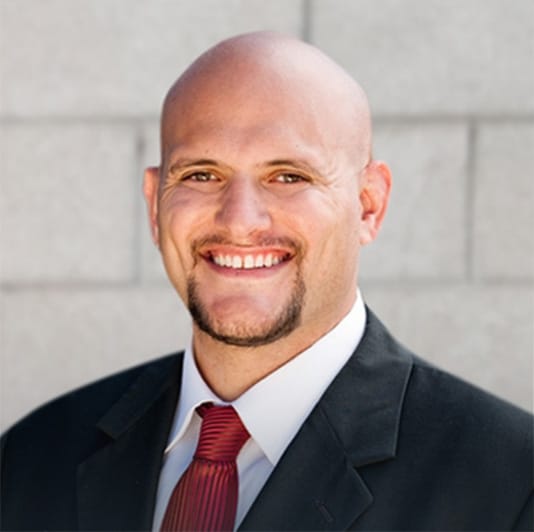
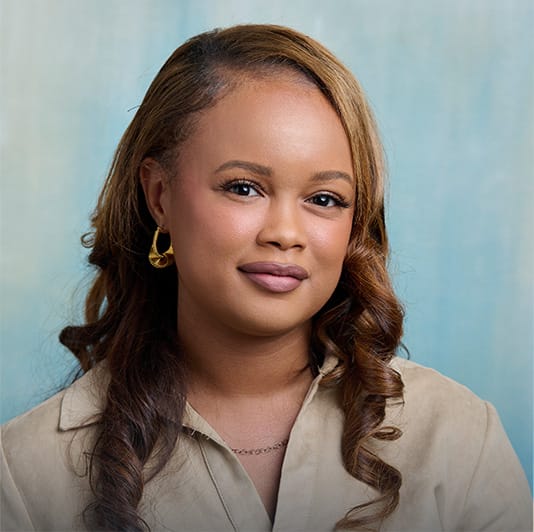
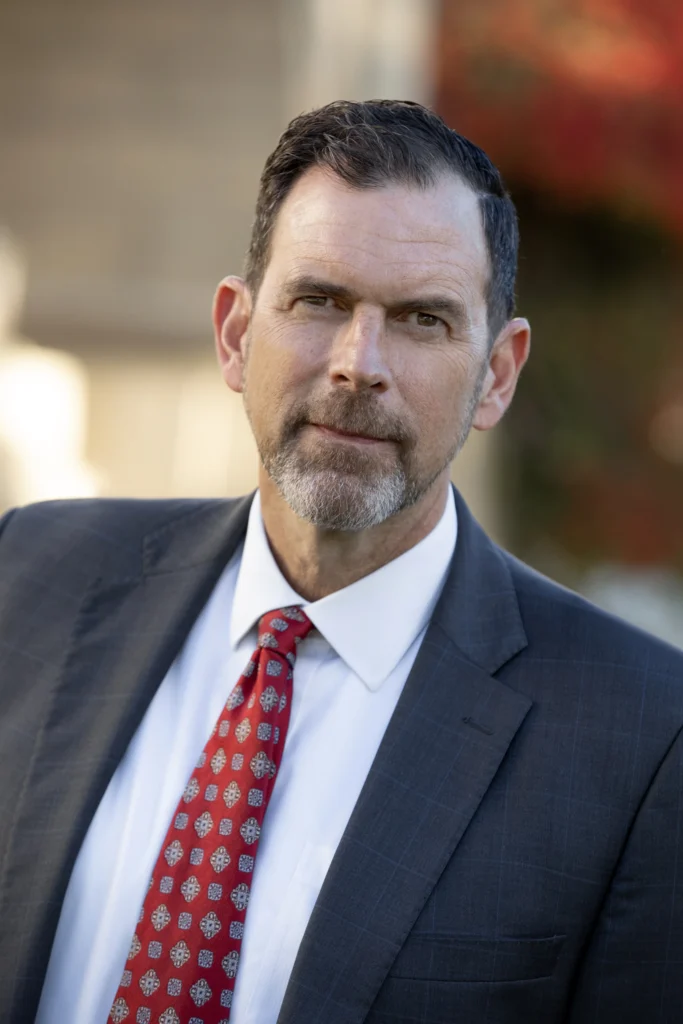
The Lessem, Newstat & Tooson Team




Our Clients Are Our Focus.
When facing complex legal matters, it is not uncommon to encounter an issue that needs immediate attention from your team.
For this reason, we are available to assist our clients 24 hours a day, seven days a week, to ensure any questions or concerns you may have will be addressed immediately. With around the clock service and multiple office locations, clients throughout Southern California can be confident knowing our counsel is available to them whenever and wherever they need it.


Make Your Future
Our Business
"*" indicates required fields